
Looking out at your garden, you might see more problems than potential. The overgrown shrubs that block sunlight. The uneven patio that collects puddles whenever it rains. The dated layout that doesn’t suit your family’s needs.
You know you want to transform your outdoor space, but start at the wrong time, and you could face waterlogged soil, frozen ground, plant failure, or scheduling conflicts with busy contractors. Poor timing can lead to extended project timelines, increased costs, and frustrating delays.
Quick Answer:
Autumn (September-November) is generally considered the best time to start most landscaping projects.
The soil remains warm from summer while air temperatures cool, creating ideal conditions for plant establishment. Landscaping companies often have better availability, and you might benefit from off-peak pricing. Projects started in autumn will be well-established before the following summer’s heat and drought stress.
But different elements of your garden transformation may benefit from different timing! Read on to find out the optimal season for your specific landscaping plans.
The Ideal Seasons for Landscaping
When it comes to garden landscaping, not all seasons are created equal. Here’s a breakdown of what to expect throughout the year:
Spring (March-May)
Spring offers several advantages for starting your landscaping project:
- Perfect planting conditions: The warming soil and increasing rainfall create ideal conditions for new plants to establish themselves.
- Extended daylight: Longer days mean more working hours for landscaping teams.
- Moderate temperatures: Comfortable working conditions lead to efficient project completion.
However, spring is the busiest time for landscaping companies, so you’ll need to book well in advance. Prices may also be higher during peak season.
Summer (June-August)
Summer can be suitable for certain landscaping elements:
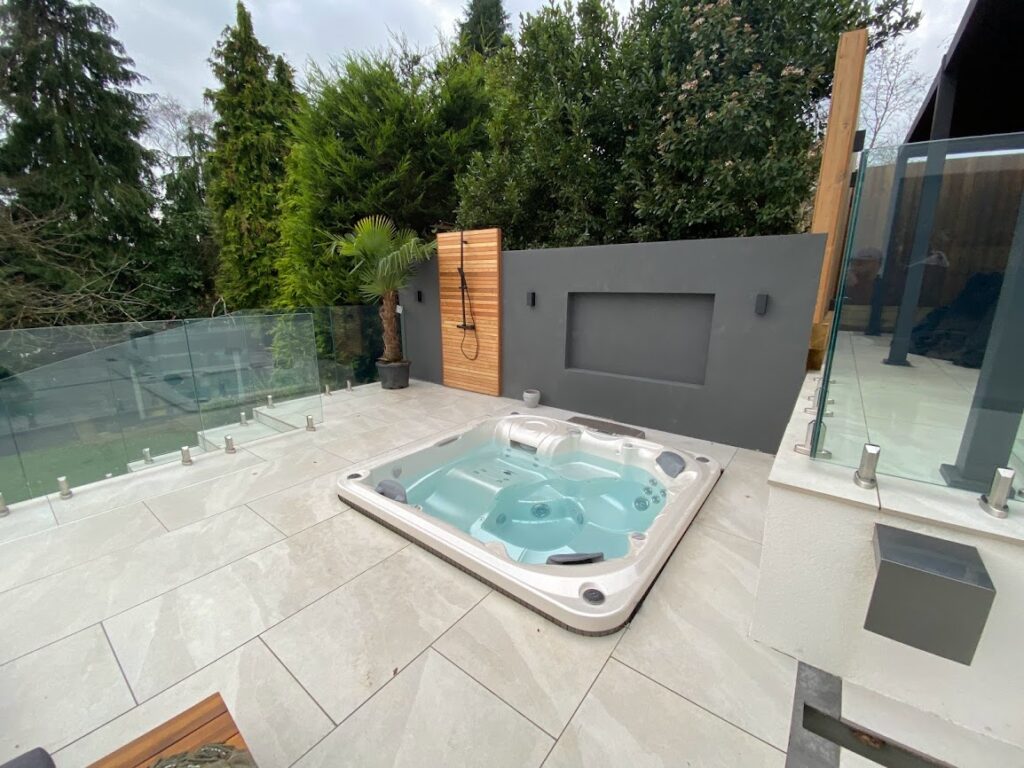
- Hardscaping work: Perfect weather for installing patios, decking, and driveways.
- Quicker drying times: Materials like concrete and mortar set faster.
- Outdoor living spaces: You can enjoy your new space immediately after completion.
The downside? Extreme heat can stress newly planted vegetation, requiring more maintenance and watering.
Autumn (September-November)
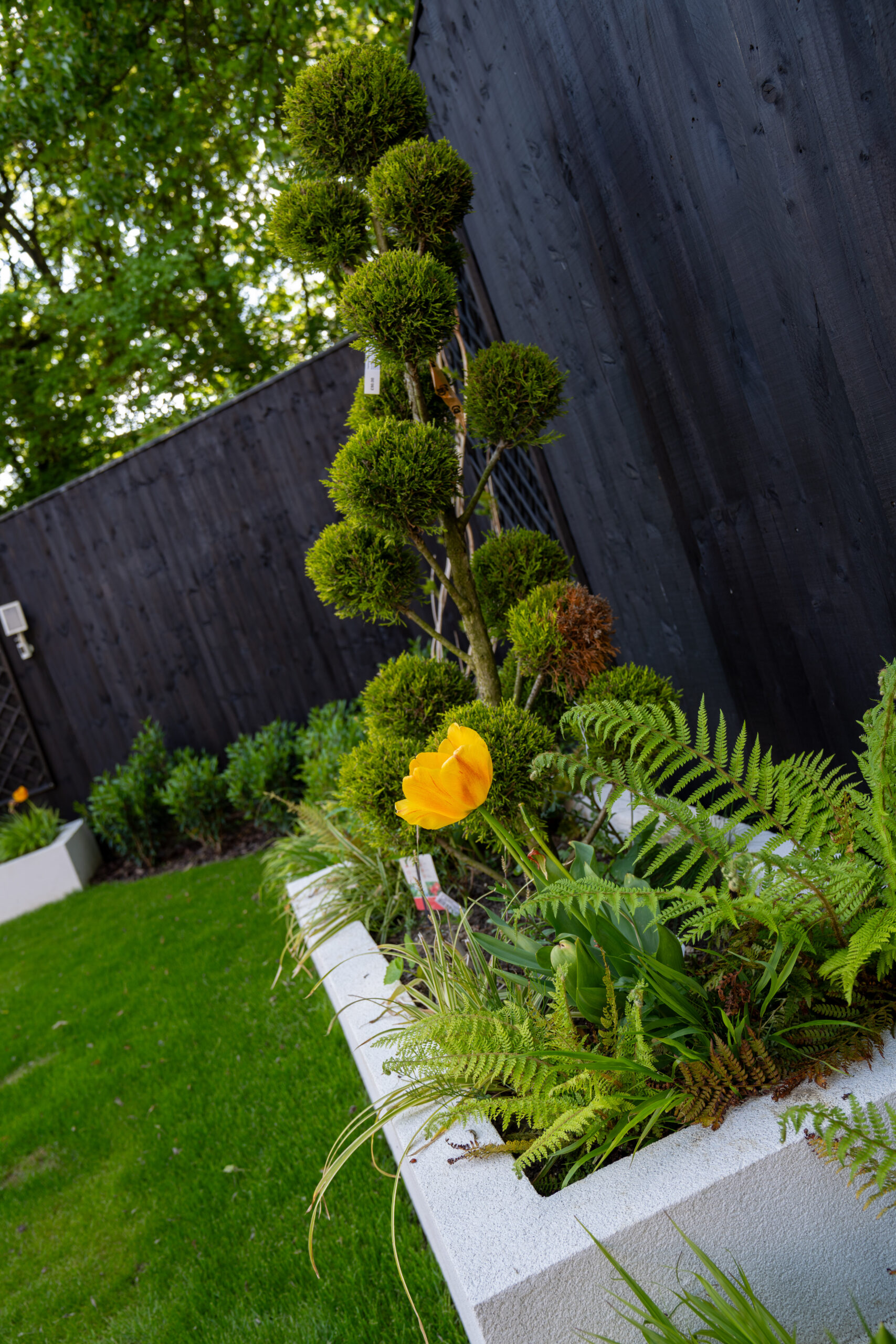
Many garden designers consider autumn the secret sweet spot for landscaping:
- Warm soil, cooler air: Ideal conditions for root establishment.
- Natural rainfall: Less need for supplemental watering.
- Better availability: Landscaping companies often have more openings in their schedules.
- Potential cost savings: Off-peak pricing might be available.
Plants established in autumn develop stronger root systems before summer heat arrives the following year.
Winter (December-February)
While not ideal for all aspects of landscaping, winter offers unique benefits:
- Structural work: Perfect time for building retaining walls, installing drainage, or redesigning garden layouts.
- Tree work: Dormant trees can be safely transplanted or removed.
- Planning advantage: Starting the design process in winter means you’ll be ready for planting when spring arrives.
Cold, wet conditions can delay certain aspects of landscaping, but winter planning gives you ample time to refine your vision.
Factors That Influence Timing Beyond Seasons
Project Type
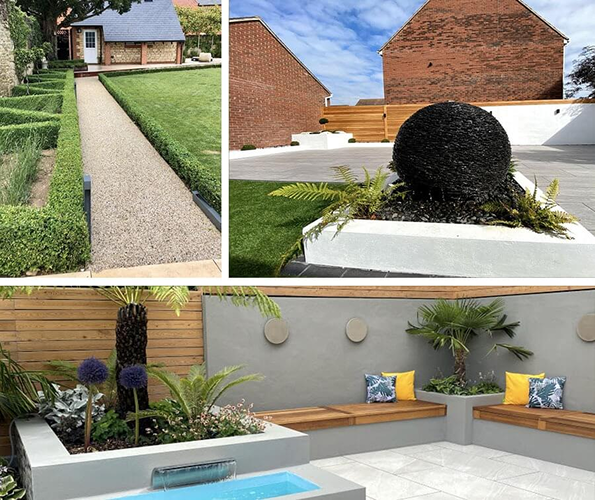
Different landscaping elements have different ideal timeframes:
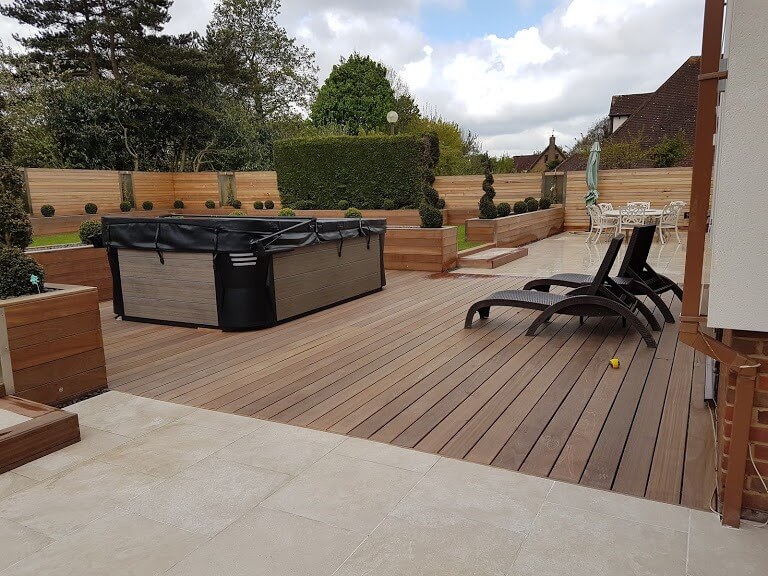
- Patios and decking: Can be installed year-round but best in drier months.
- Artificial grass: Installation is possible whenever the ground isn’t frozen.
- Planting schemes: Spring and autumn are optimal.
- Water features: Best installed when risk of frost is minimal.
Planning Requirements
Before breaking ground, ensure you’ve addressed any regulatory requirements:
- Planning permission: Some landscaping projects, especially those changing land levels or affecting protected trees, require approval.
- Building regulations: Structures like large decks may need to comply with building codes.
Project Size
The scope of your landscaping project affects timing:
- Small projects (updating plant beds, installing a small patio): Can be completed quickly, often within a season.
- Medium projects (garden redesign, new lawn installation): Typically take 2-4 weeks and benefit from starting in optimal weather.
- Large projects (complete garden transformation): May span multiple seasons, making planning crucial.
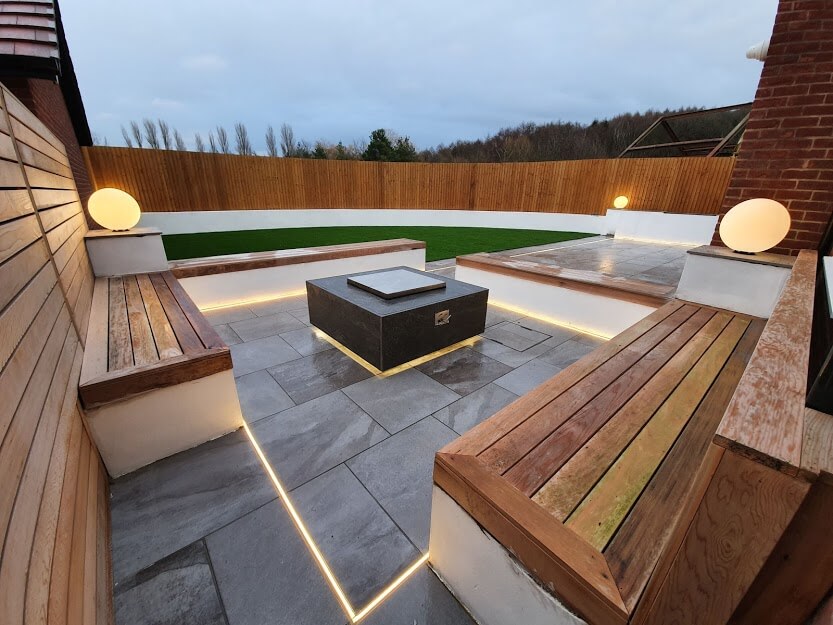
Planning Your Project Timeline
Start Planning Early
For the best results, consider this timeline:
- Initial consultation and design: 4-8 weeks before your ideal start date
- Material selection and ordering: 3-6 weeks before breaking ground
- Site preparation: 1-2 weeks before major construction
- Construction and installation: Varies by project scope
- Planting and finishing touches: Timed with appropriate season
Working Backward from Completion Goals
Have a specific event or timeline in mind? Working backward helps ensure your garden is ready when you need it:
- Summer garden parties: Begin planning in winter, start construction in early spring.
- Autumn outdoor entertaining: Initiate the project in late winter/early spring.
- Spring showcase garden: Start planning the previous summer/autumn.
Making the Most of Off-Season Planning
Even if weather conditions aren’t ideal for installation, the planning phase can happen anytime:
- Design development: Work with landscape designers to create your perfect outdoor space.
- Budget planning: Research costs and set realistic expectations.
- Material selection: Browse options for paving, decking, plants, and features.
The Francis Rose team offers consultations year-round, helping you prepare for the perfect installation window.
Landscaping Project Timing FAQs
Some elements like drainage installation can proceed in wet conditions, but most hardscaping and planting work requires relatively dry conditions. Good landscapers schedule work with weather forecasts in mind.
You may find better rates during off-peak seasons like late autumn and winter. Additionally, some materials might be less expensive during these periods due to lower demand.
For spring/summer projects, book 3-6 months ahead. For autumn/winter work, 1-3 months is often sufficient. Quality landscaping companies like Francis Rose are often booked well in advance.
Absolutely! Many clients choose to complete hardscaping in one season and planting in another. This approach can spread costs and ensure each element is installed at the optimal time
Not necessarily. A good landscaping team will work in zones when possible, minimizing disruption to your outdoor space. Discuss access requirements with your landscaper during planning.
Ready to Transform Your Outdoor Space?
The best time to start planning your landscaping project is now, regardless of the season. Our experienced team at Francis Rose Landscapes can help guide you through the design and installation process, ensuring your garden transformation happens at the optimal time for success.
With over 25 years of experience in garden landscaping, we understand the seasonal conditions and how to work with them for stunning results.
Contact us today for a free consultation to discuss your garden landscaping dreams and create a timeline that works for your needs.
